Local SEO made simple: how to get found by people searching near you
What local SEO is, why your competitor shows up first on Google Maps, and what you can do yourself without becoming a tech expert. Plus the myths to ignore.
Key takeaways
- Local SEO is everything that helps your business show up when people search for what you do in your area.
- Google uses three factors: relevance, distance and prominence. You can't change distance; you can work on the other two.
- The basics: a well-kept Google Business Profile, consistent details everywhere, reviews with replies, a clear website.
- You can't pay Google to rank higher in local results, and keywords in your business name are against the rules.
- The same basics help you get recommended by AI assistants.
Two diners on the same street, similar food, similar prices. One shows up in the top three on Google Maps when someone searches "breakfast" nearby, the other only after scrolling. At the end of the month, the first has fuller tables. The difference is rarely luck: it's a handful of small things done well. It's called local SEO, and you don't need to be technical to do it.
What local SEO is
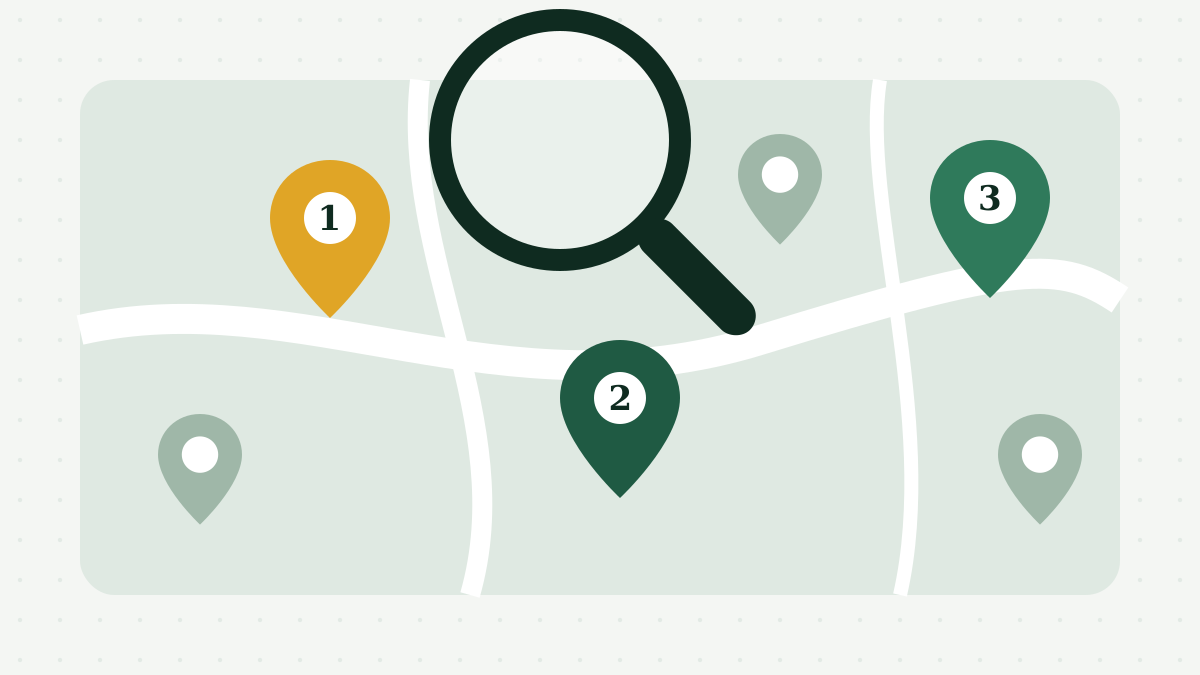
SEO stands for search engine optimization. The "local" kind covers searches tied to a place: "pharmacy open now", "tire shop Phoenix", "coffee near me". For these searches Google mainly shows a box with a map and three businesses, then the full list in Google Maps. Local SEO is everything that makes it more likely you'll be in that box and that list.
The three factors Google names
Google explains it on an official page: local results are based mainly on relevance, distance and prominence1.
Relevance
How well you match what the person is looking for. It depends on categories, description, services, your website content, and what customers write in reviews.
Distance
How close you are to the searcher or the place they named. You can't change it: just be strong on the other two.
Prominence
How well known and well regarded you are: reviews and ratings, links and mentions on other sites, real-world reputation.
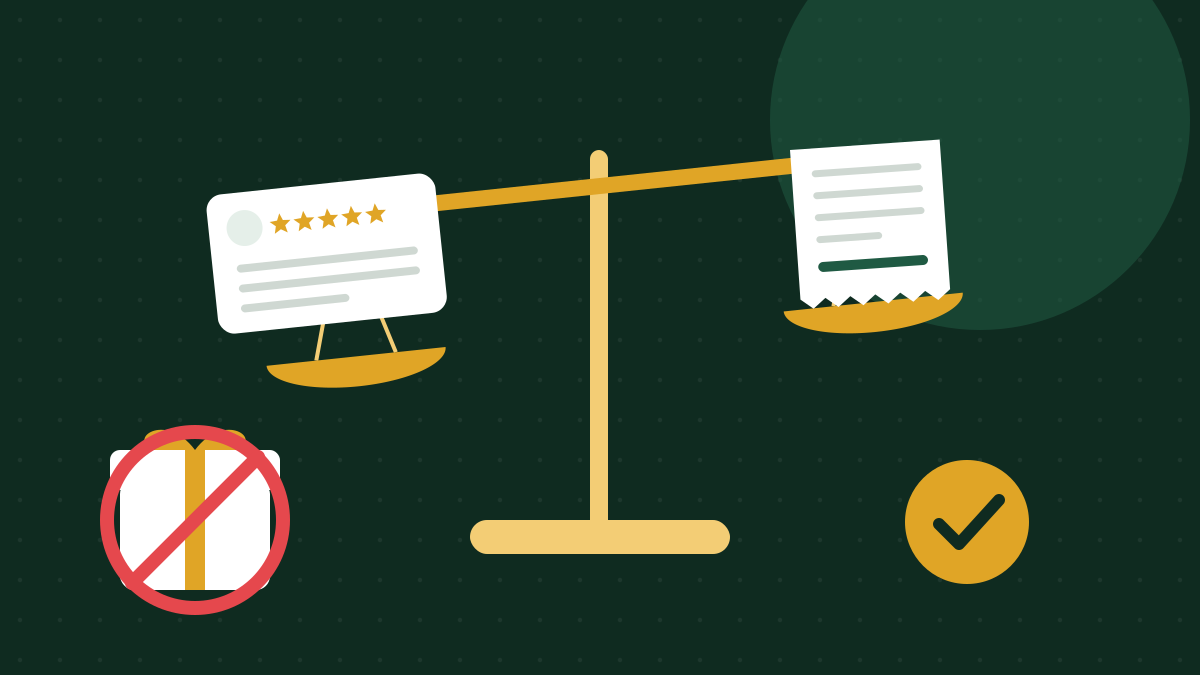
From the same page: you can't request or pay for a better local ranking1. Anyone selling that is selling something else.
The basics, in order of importance
1. Your Google Business Profile
The foundation of everything: verified, complete, with a precise primary category, correct hours (holidays too), real photos and a clear description. See our complete guide.
2. Reviews
They count for prominence and relevance: if fifty customers write "best breakfast burrito", Google and AI learn you're a breakfast burrito place. Ask everyone, with no rewards, and reply to all. Guides: how to ask and how to reply.
3. Consistent details everywhere
Name, address and phone identical on Google, your website, Facebook, Yelp, Apple, Bing and directories. Pros call it "NAP" (name, address, phone). When sources agree, search engines trust them more. See also Apple Business and Bing Places.
4. Your website
- name, address, phone and hours written as text (not only in an image);
- a page for each main service, in your customers' words ("men's haircut", "balayage", not just "services");
- your city and service area, mentioned naturally;
- a link to your Google profile and a map;
- if you can, LocalBusiness structured data: a small invisible code that tells search engines who you are, where you are and when you're open. Your web person will know what that is.
5. Local mentions and links
A story in the local paper, a listing on your chamber of commerce or business association site, an event you sponsor. These real-world reputation signals count for prominence.
6. Steady activity
New photos every season, a post every couple of weeks, quick replies to reviews and questions. A lively profile says the business is open and cared for.
Myths to ignore
- "Put your city and 'best' in your profile name." It's against Google's guidelines and risks suspension2.
- "Paying for Google Ads lifts you in the regular results." Ads are separate: they're labeled "Sponsored" and don't change your position in the free local results1.
- "More categories is better." Off-topic categories confuse Google and customers.
- "Buy a few reviews to get started." Banned by the platforms and by the FTC rule. Fake reviews also bring in customers who'll be disappointed.
- "SEO is a one-time job." It's more like maintaining your premises: a little, but regularly.
What about AI?
ChatGPT, Gemini and AI Mode answers rely largely on the same sources: listings, reviews, websites. Good local SEO is also the most solid way to get recommended by AI assistants. More: how AI chooses which business to recommend.
Where to start today
- Search Google Maps for your category and area, on your phone. Look at who's in the top three and why: number of reviews, rating, photos.
- Compare your profile with theirs, line by line.
- Fix the basics you're missing: category, hours, photos, description.
- Start asking for reviews from everyone, every day.
- Check your details on your website, Facebook and at least one other platform.
Sources
- Google, How to improve your local ranking on Google
- Google, Guidelines for representing your business on Google
Sources checked on October 16, 2026. Platforms change often: if you spot something out of date, let us know.